The 2026 Guide: How to Choose the Most Realistic Artificial Outdoor Plants
As a professional artificial plant manufacturer, we’ve noticed 90% of buyers and retailers share a common fear: receiving stiff, reflective, obviously fake plants. It’s true—cheap fake flowers can definitely look tacky. But in 2026, thanks to advanced simulation technology, outdoor artificial plants that look real are entirely achievable.
This guide will take you deep into how to select the best fake plants for outside, bringing effortless natural vitality to your space without the maintenance headache.
What Determines the Realism of Artificial Outdoor Plants?
To make an artificial plant look authentic and blend seamlessly into its environment, three core elements are key:
- Material Texture: High-end quality artificial plant manufacturers are ditching recycled plastics for virgin polyethylene (PE) and latex composites. These materials absorb light naturally like organic matter, completely eliminating that cheap plastic feel. This helps you avoid traditional cheap silk flowers (silk gathers dust, molds easily outdoors, and isn’t waterproof).
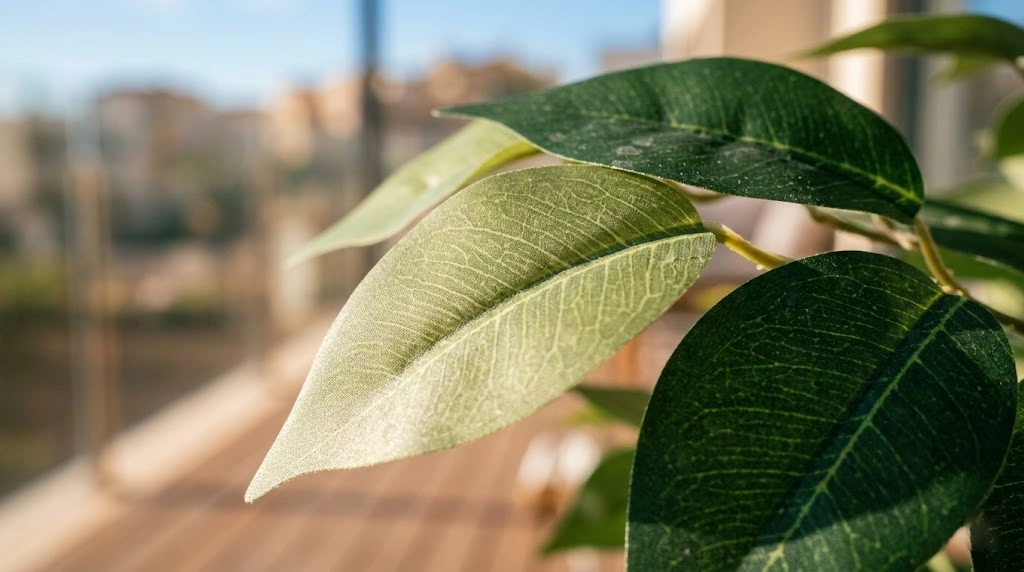
- Color Accuracy: In nature, real plants have the tender green of new buds and the deep green of older leaves, with different shades on the front and back. The most realistic fake plants use multi-toned gradient printing technology, and may even intentionally feature yellowing edges or irregular spots to replicate natural growth trajectories.
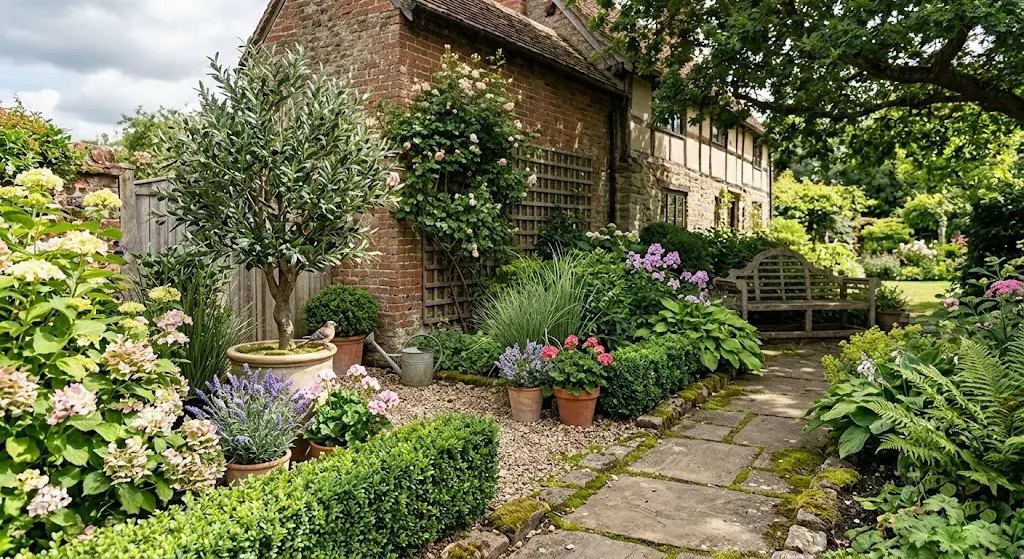
- Lifelike Trunks: If you are buying the most realistic artificial outdoor trees (like olive, ficus, or palm trees), focus heavily on the trunk. High-end products use treated real wood trunks or highly detailed, complex bark textures carved into premium resin.
| Feature | Premium (Twinkletree) | Cheap Mass-Market |
|---|---|---|
| Core Material | Virgin PE & RealTouch Latex | Recycled PVC & Shiny Silk |
| UV Protection | Built-in UV Inhibitors (Inner) | Surface Spray (Washable) |
| Color Detail | Gradient Tones & Natural Spots | Monochromatic Green |
| Longevity | High Resistance to Cracking | Fast Fading & Brittle |
The Most Realistic Fake Outdoor Plants – Red Flags to Avoid
When shopping for realistic fake outdoor plants, walk away immediately if you spot these features:
- Overly Bright or Shiny Leaves: Polyester plants that feel dry and look reflective are an obvious giveaway. Real plant surfaces usually have a slightly matte finish. Opt for natural fake plants featuring RealTouch technology.
- Poor Craftsmanship: Rough edges (like fraying fabric petals) or obvious plastic burrs will instantly cheapen the aesthetic of your entire space.
- Unnatural Colors: Low-end mass-produced items rely on single, overly vibrant tones, completely lacking the complex color layers found in nature.
- Using Indoor Plants Outside: This is the biggest mistake when landscaping. Standard indoor silk materials will fade and simply can’t withstand the elements. You must choose items explicitly labeled for “Outdoor Use” or “UV-treated / UV-resistant”.
The Simulation Process of Artificial Outdoor Plants
In 2026, premium artificial foliage has moved far beyond simple “handcrafting” into precision engineering. Using Real Touch technology, we apply a special latex coating to the foliage, creating the cool, slightly damp feel of actual leaves. Combined with 3D molds of real botanicals, everything from the finest leaf veins to natural trunk crevices is recreated down to the pixel, shattering traditional perceptions of artificial greenery.
UV Stability: The Key to Artificial Plants
If you use cheap faux foliage outdoors, within three months, UV exposure will cause them to age, fade, or turn bizarre colors. Cheap manufacturers usually just spray a thin UV-resistant coating on the surface of their artificial plants for outside use, which quickly washes away in the rain. True outdoor-grade UV protection is built-in. At Twinketree, UV inhibitors are mixed directly into the raw materials (like PE or PU) during the extrusion stage. This ensures the foliage remains vibrant and flexible, even under scorching sun and heavy storms.
How to Make Artificial Plants Look More Real?
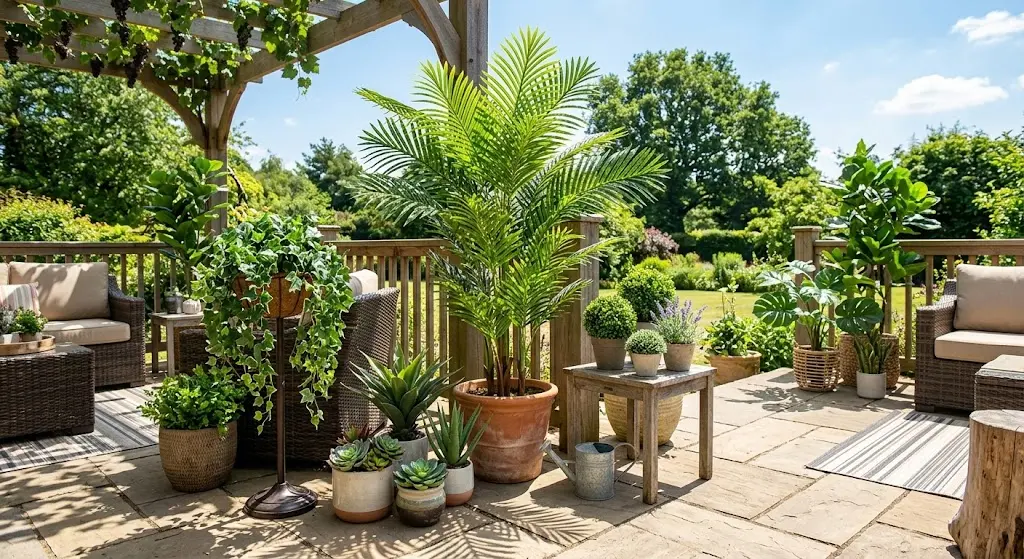
- Upgrade the Planter: Artificial plants usually arrive in small, heavy, cheap black plastic starter pots. Place them immediately into a beautiful outdoor ceramic, terracotta, or modern concrete planter.
- Add Real Top Dressing: Fill the top of the planter with real soil, dried moss, bark chips, or natural river rocks to hide the plastic base.
- Mix Real and Fake: Place a few easy-to-care-for real plants (like pothos or ivy) around your large fake plants outdoor. When real and faux plants outdoors are mixed together, the human brain automatically assumes all the greenery is genuine.
Twinkletree: The Most Realistic Artificial Outdoor Plants
Cheap fake flowers look cheap, but precision-engineered simulated botanicals do not. At Twinkletree, we are dedicated to erasing the stigma that artificial plants look fake. We specialize in manufacturing internationally certified, commercial-grade artificial greenery. By utilizing virgin polyethylene and built-in UV technology, our outdoor collection boasts visual and tactile realism while enduring the harshest weather conditions. For designers, business owners, and quality-conscious homeowners, investing in Twinkletree’s plants is an investment in maintenance-free, zero-repurchase, everlasting natural beauty.