
Real Touch vs Silk Flowers: B2B Sourcing Guide 2026
As an experienced manufacturer in the artificial plant industry, we regularly speak with wholesale buyers, event planners, and luxury retail designers across Europe, North America, and South America. In 2026, we are hearing one consistent message: the aesthetic standards for commercial floral displays have fundamentally changed, and traditional materials are no longer surviving the “macro-lens test.”
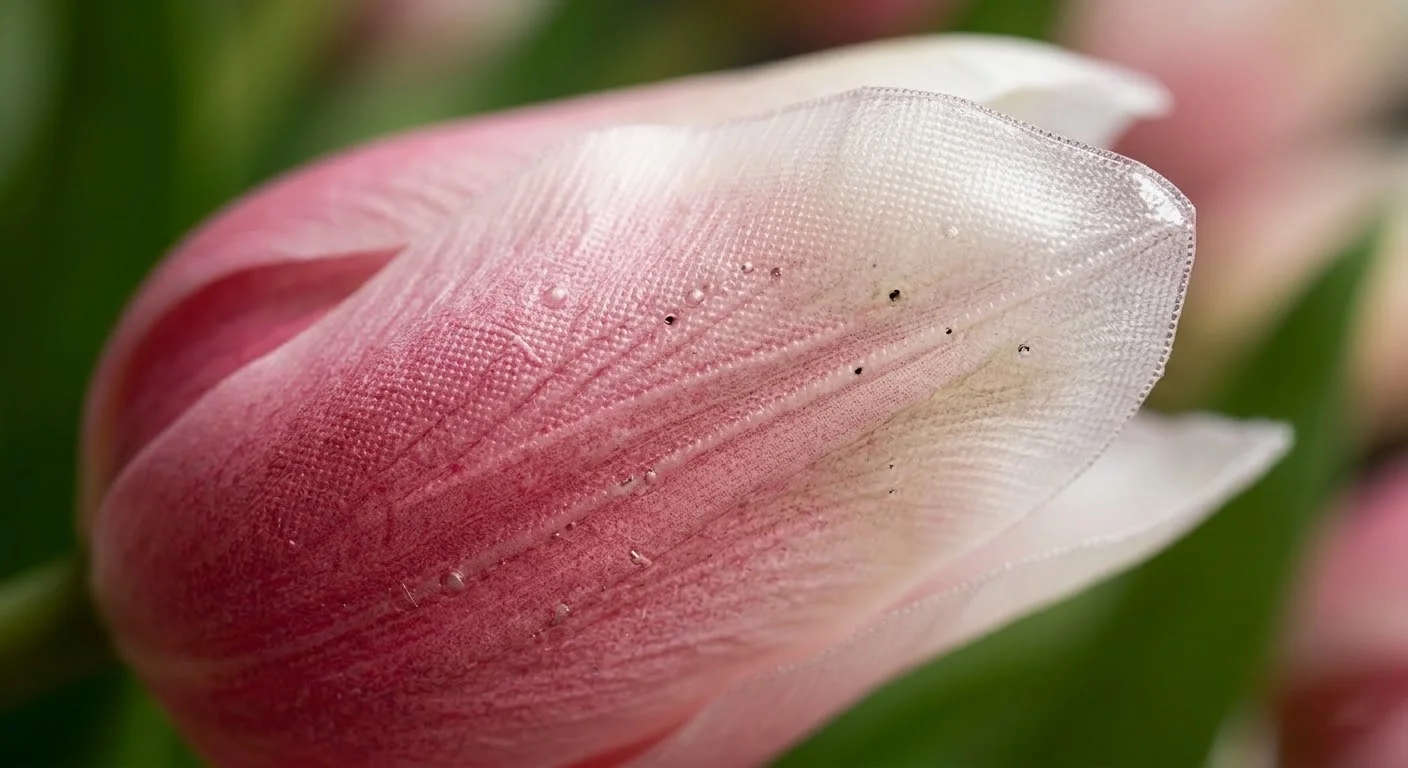
In today’s visually driven market, every hotel lobby centerpiece and wedding arch is photographed and shared in high definition. When viewed up close, cheap silk reveals its fatal flaws—frayed fabric edges, flat textures, visible thread weaves, and unnatural, uniform colors. Furthermore, the woven nature of silk makes it a magnet for dust, turning vibrant displays dull and grey within months.
It is time for professional buyers to step away from the price wars of low-end fabric flowers and understand the shift toward high-fidelity polymers. Here is the ultimate B2B sourcing guide to the truth behind “Real Touch” materials.
Why Are “Real Touch” Flowers Replacing Cheap Silk Flowers?
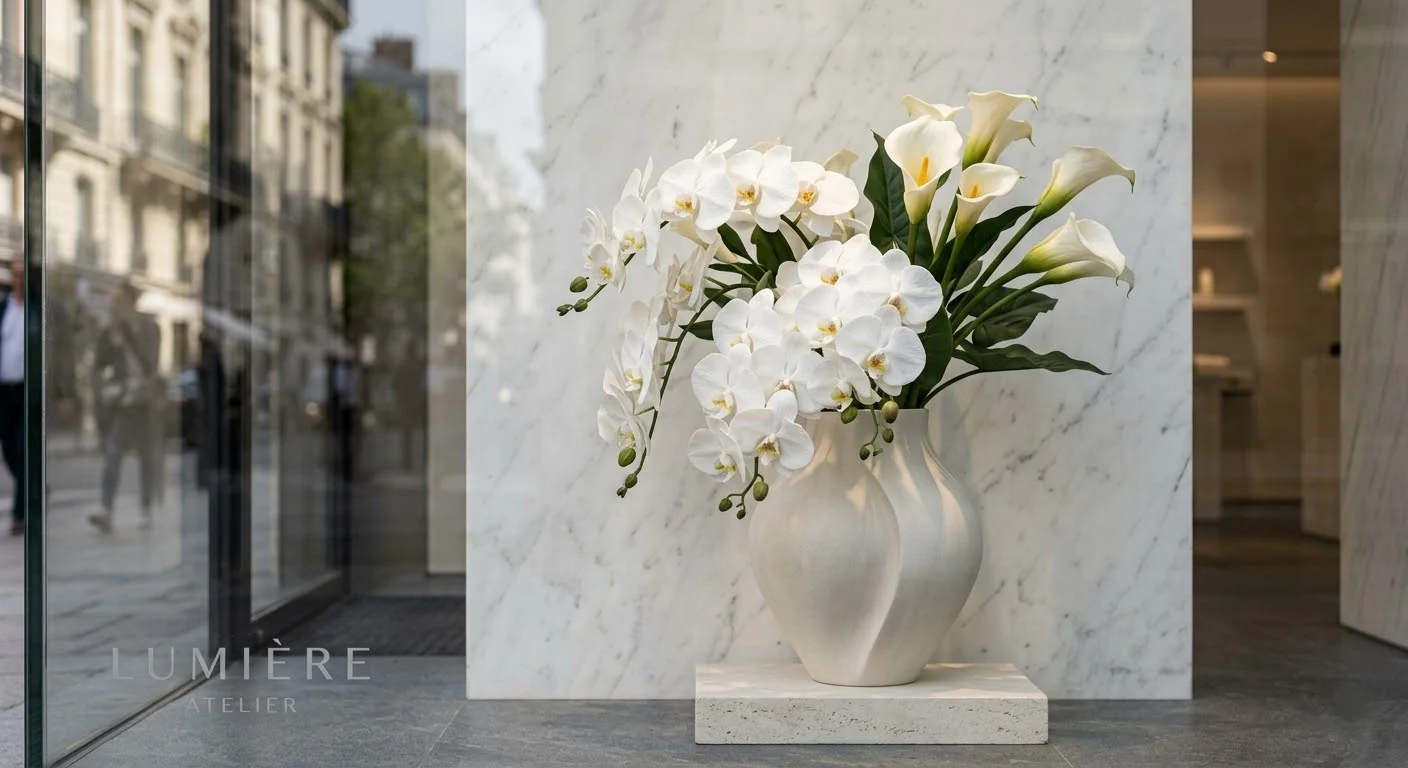
We recently consulted with a luxury boutique hotel in Milan, Italy. They were spending thousands of Euros annually on fresh Phalaenopsis orchids for their reception and suites. They had tried silk alternatives before, but guests immediately recognized them as “fake,” damaging the hotel’s five-star image. We introduced them to our premium Real Touch products, completely revolutionizing their procurement strategy and delivering a massive ROI.
So, what exactly is “Real Touch”? It is not a marketing buzzword; it is a specific polymer classification. Unlike traditional fabric flowers, Real Touch relies on advanced liquid polymers—primarily Polyurethane (PU) and high-grade Latex blends.
The manufacturing process is entirely different from silk. Cheap fabric flowers are stamped and cut out of large rolls of dyed cloth using cookie-cutter machines. In contrast, premium Real Touch petals are created using 3D precision injection molding technology.
We cast our molds directly from living, blooming flower petals. Liquid PU is poured into these molds, capturing every microscopic vein, organic wrinkle, and natural curvature. As the polymer cures, it forms a petal that mimics the exact cellular texture of a living plant.
Silk Flowers vs. PU Real Touch Flowers: Which Material is Better?
To help you make informed sourcing decisions, here is an objective, uncompromising breakdown of the differences between these two common artificial flower materials:
| Feature | Traditional Silk / Fabric | Real Touch (PU / Latex) |
|---|---|---|
| Tactile Feel | Dry, thin, obvious fabric thread texture. | Cool to the touch, fleshy, mimics real botanical moisture. |
| Visual Realism | Good from a distance; reveals fraying threads up close. | Hyper-realistic, even under macro photography. Zero fraying. |
| Color Detail | Often flat, printed gradients. Susceptible to bleeding if wet. | Multi-layered hand-painting, natural translucent edges. |
| Maintenance | Traps dust easily; difficult to wash without ruining shape. | Smooth surface repels dust; easily wiped clean with a damp cloth. |
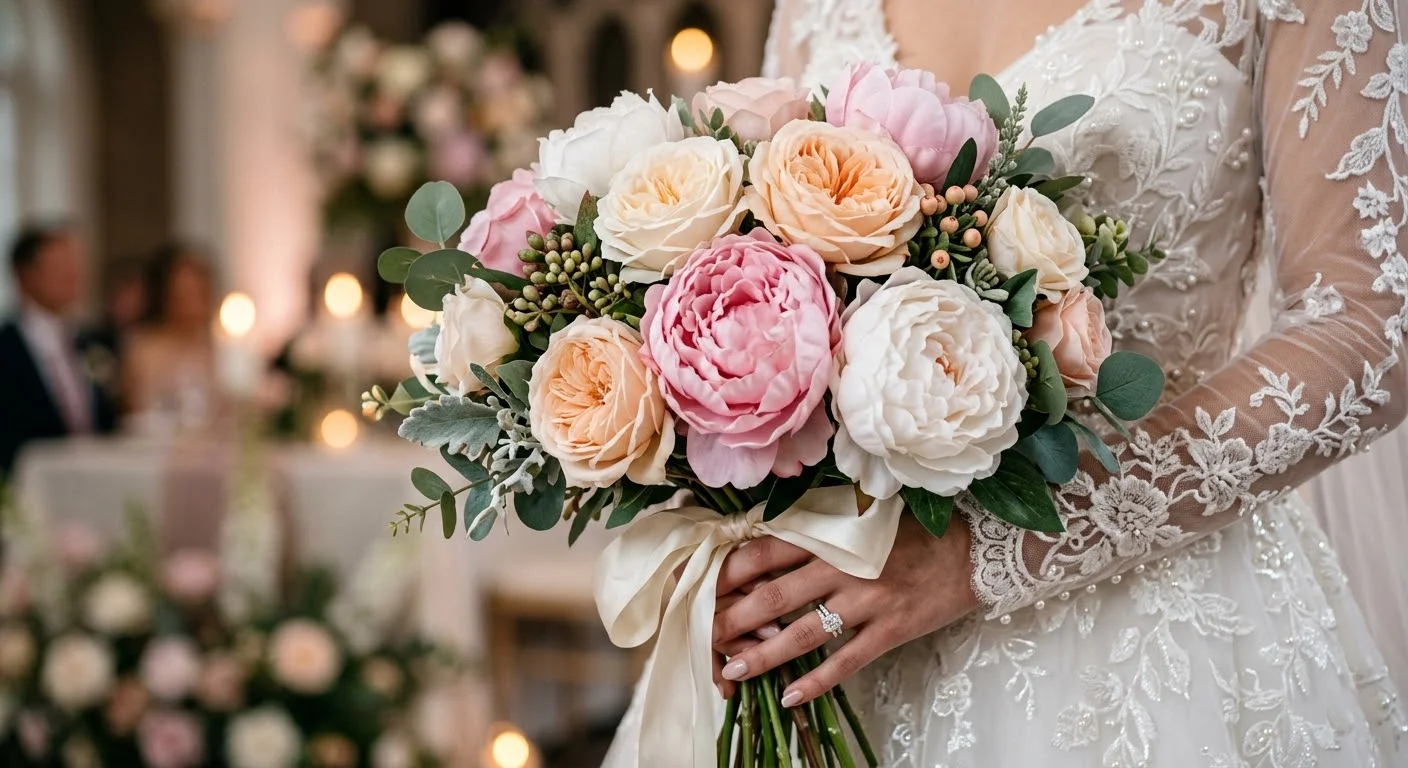
| Best Application | Large-scale ceiling installations, distant stage backdrops. | Table centerpieces, bridal bouquets, luxury retail displays. |
While high-density silk still holds a cost advantage for massive, distant overhead installations, Real Touch is the only professional choice for arrangements that guests will see, photograph, and touch up close.
How to Spot High-Quality Artificial Flowers (4 Things to Check)
The market is currently flooded with inferior factories claiming their products are “Real Touch.” When evaluating samples from new suppliers, use these strict, factory-level criteria to separate commercial-grade quality from cheap imitations:
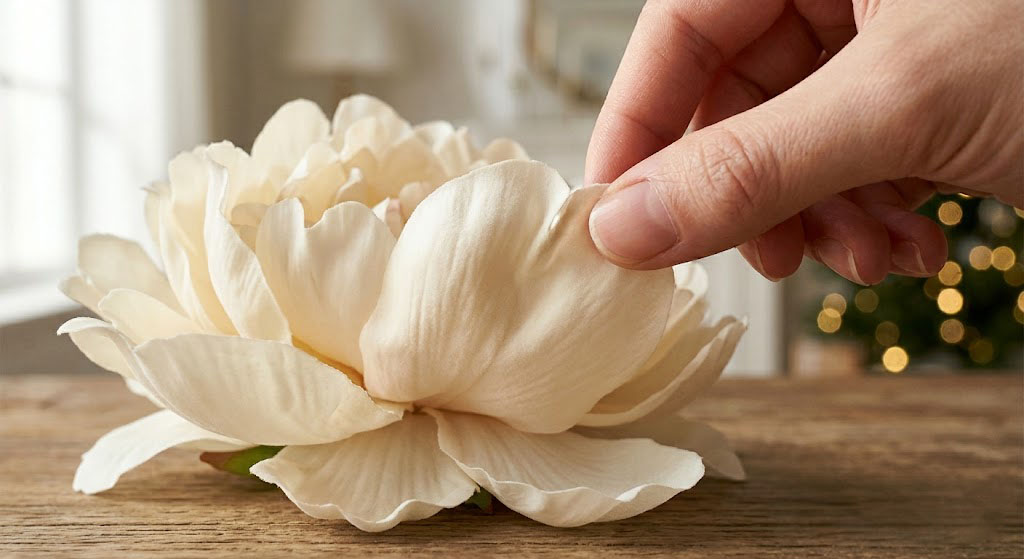
- The Tactile Rebound Test: A high-quality PU petal should feel plump and slightly cool, similar to a real succulent or human skin. When you pinch it gently, it should immediately rebound without leaving a permanent crease. If it feels stiff or plastic-like, the polymer blend is cheap.
- The Edge Thickness Gradient: Poorly manufactured PU flowers have a uniform thickness across the whole petal and often feature rough plastic burrs along the edges. Premium molds ensure the petal is thicker at the base (where it connects to the stem) and tapers to a delicate, paper-thin edge—exactly like nature.
- The Odor Test: Low-end factories use recycled plastics and cheap chemical solvents, resulting in flowers that emit a strong, toxic rubber smell. Premium PU materials are virtually odorless or carry a very faint, intentionally added floral scent, making them safe for enclosed commercial environments.
- Stem and Foliage Details: Buyers often focus only on the flower head and ignore the stem. Cheap artificial flowers use shiny green plastic tubes with visible molding seams. A true high-end product utilizes double-injected stems, often featuring a flocked (fuzzy) texture or a simulated “water-cut” appearance to mimic a freshly trimmed stem.

Custom Fake Flowers Wholesale: The Twinkletree Factory Advantage
Producing genuine Real Touch products requires high-precision molds, an extensive understanding of polymer chemistry, and rigorous quality control.
Since our establishment in 2009, Twinkletree has continuously refined our injection molding techniques. We don’t just assemble flowers; we engineer them. Operating a 1,500-square-meter modern manufacturing facility with a monthly production capacity of 15,000 premium artificial trees and floral units, we possess the scale and stability to support massive commercial orders for the European, North American, and South American markets.
More importantly, our strength lies in our comprehensive OEM and ODM services:
- Custom Color Matching: If your brand needs a specific shade of “Dusty Rose” or “Champagne” for a seasonal collection, our technicians hand-mix the pigments to match your exact Pantone requirements.
- Bespoke Mold Creation: Cannot find a specific local flower in the market? Provide us with a real sample or 3D file, and we will develop a custom mold exclusively for your brand.
- End-to-End Packaging: We understand e-commerce and wholesale needs. From drop-test certified packaging to custom brand logos, specific shipping marks, and bespoke hangtags, we manage the entire supply chain so the goods arrive ready for immediate retail or project deployment.
Conclusion
For B2B buyers, wholesalers, and project managers, stepping away from the price wars of low-end silk flowers and upgrading to Real Touch polymers is a strategic necessity for 2026. Investing in high-fidelity materials protects your brand’s reputation, reduces long-term replacement costs, and delivers the premium aesthetic your clients demand.
Frequently Asked Questions (FAQs)
1. Do Real Touch (PU/Latex) materials turn yellow over time?
Lower-grade PU can oxidize and yellow. However, high-quality commercial Real Touch flowers are manufactured with UV-resistant additives and anti-oxidation agents, significantly prolonging their original color, especially when kept indoors away from direct sunlight.
2. How do you clean high-end Real Touch flowers?
Unlike silk, which traps dust in its woven fibers, PU and Latex have smooth surfaces. You can easily maintain them by wiping the petals gently with a damp microfiber cloth or using a soft brush. Avoid harsh chemical cleaners.
3. For commercial spaces, should I choose 100% PE or Real Touch materials?
It depends on the application. For outdoor landscaping, large artificial trees, or green walls, 100% PE (Polyethylene) is required for durability and weather resistance. For indoor floral arrangements, centerpieces, and decorative accents, Real Touch (PU/Latex) offers superior realism.