Are Fake Flowers Tacky? The 2026 Guide to the Most Realistic Artificial Flowers
As a professional artificial flower manufacturer, we found that 90% of buyers are afraid of receiving artificial flowers that look shiny, stiff, and obviously fake. This guide will tell you how to choose and style realistic artificial flowers.
Table of Contents
Why People Think Fake Flowers Look Tacky?
1. Material & Reflection
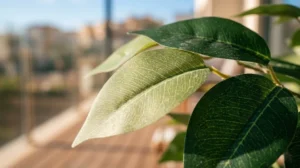
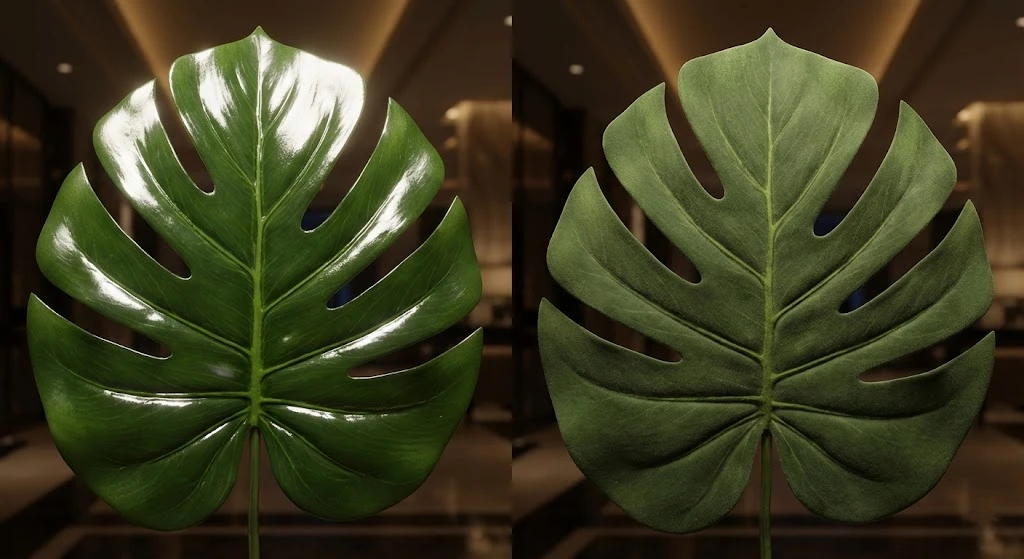
I once managed a lobby renovation for a hotel chain where the previous supplier had used smooth polyester Monstera plants. In natural daylight, they looked passable, but at night, under the warm overhead spotlights, every leaf reflected light as if it had been oiled—instantly revealing their cheap quality. Real plant foliage is typically matte or slightly velvety, absorbing light rather than reflecting it. This is why I now insist on a “High-Intensity Light Test” during selection; only artificial flowers that remain matte under strong lighting are considered qualified.
At TwinkleTrees, we eliminate this “plastic shine” by using Real Touch latex coatings and virgin polyethylene composites. Unlike recycled plastics, these materials naturally absorb light just like organic matter, ensuring our greenery looks authentic even under the harshest commercial downlights.
2. Unnatural Colors
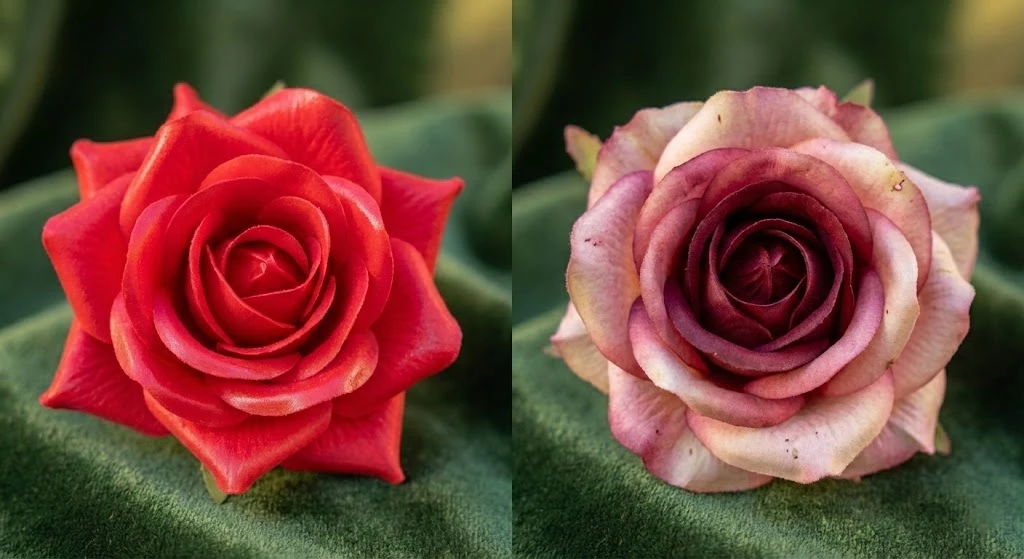
Low-end artificial flowers often rely on single, overly vibrant tones. Based on my years of selection experience, if a flower maintains the exact same color saturation from the stem to the tip, it is undoubtedly a cheap fake. True botanicals are defined by their imperfections and variations.
We reject the single-dip dyeing process. Instead, our artificial blooms are crafted with multi-layer color gradients. From the deep, rich tones of the flower center to the delicate, fading gradients at the petal edges, we replicate the natural transitions of a living plant, ensuring the color looks deep and complex, not flat.
3. Rough Details
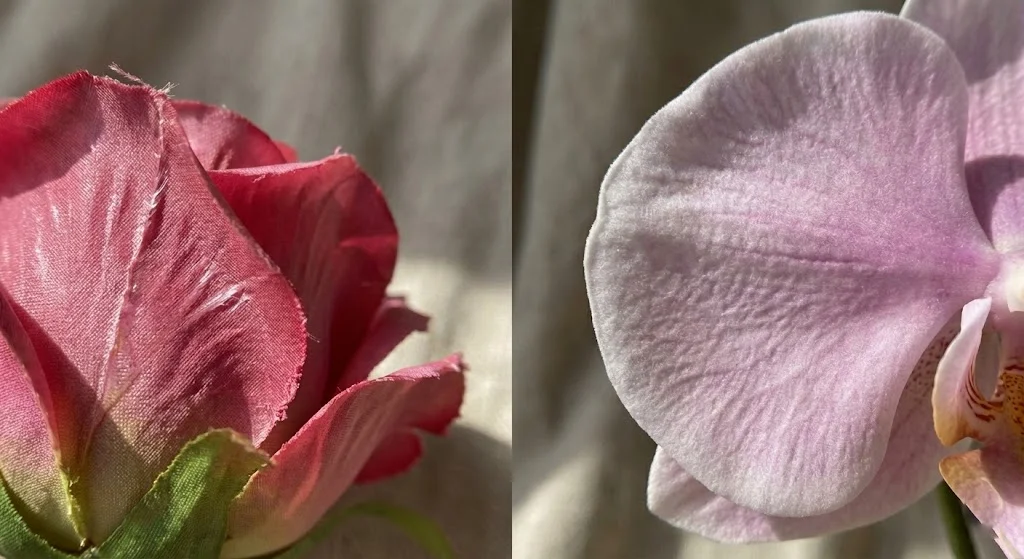
I once worked with a high-end wedding planner who received a complaint because she used cheap Hydrangeas with fraying fabric edges. Guests at the dinner tables could clearly see the loose threads hanging from the petals. True craftsmanship must withstand close scrutiny. Today’s advanced 3D printing and skeletal injection molding technologies not only replicate the embossed texture of leaf veins but can even simulate rough moss textures on the stems. I always tell my clients: Looking real from a distance is just the bare minimum; looking and feeling real up close is the standard for 2026.
The Evolution of Fake Flowers: Trends & Materials
High-end artificial flowers in 2026 are increasingly made from virgin polyethylene and latex composites rather than recycled plastics. These materials make it possible to achieve more natural textures and surface finishes.
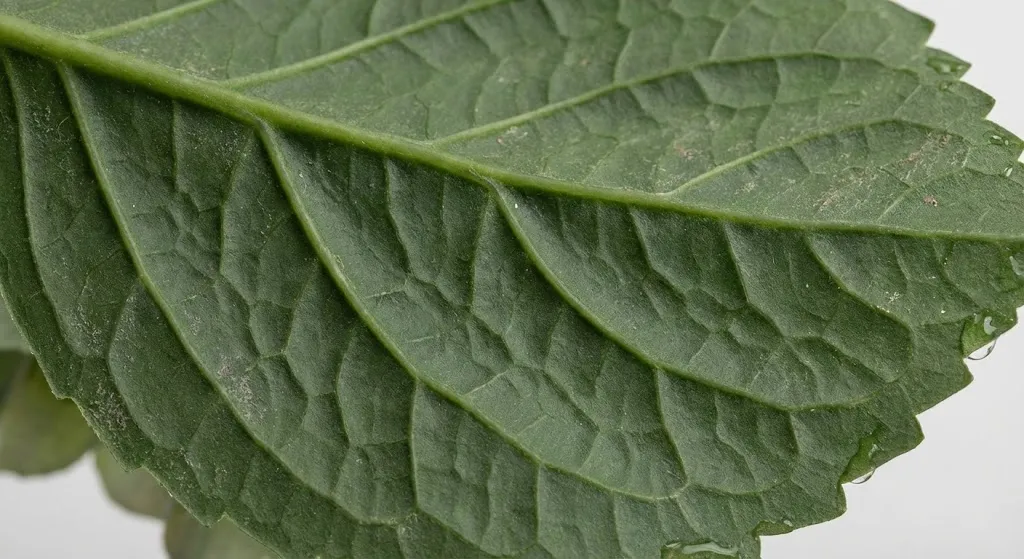
Using advanced 3D injection molding, manufacturers can replicate subtle botanical details such as irregular veining, asymmetrical petals, and low-gloss matte stems—details that closely mirror real plants.
Artificial flowers with Real Touch technology are finished with a specialized coating that creates a cool, slightly moist feel similar to real petals. In contrast, flowers that feel warm, dry, and distinctly plastic to the touch are usually made with lower-grade materials and tend to look cheap.
How to Choose Realistic Artificial Flowers?
Whether you are purchasing artificial flowers wholesale online for a hotel chain or buying a single bouquet, inspecting specific structural and material indicators ensures that you get realistic outdoor artificial flowers.
Outdoor UV Stability
In 2024, a client in Dubai purchased artificial flowers from a generic supplier. After only 3 months of exposure to the harsh sun, the leaves had completely faded and turned gray. To avoid this, you must select products with Intrinsic UV Stabilization. Unlike temporary topical sprays, this technology involves blending UV-blocking chemicals directly into the raw resin before molding. TwinkleTrees utilizes this process, verified by ASTM G154 testing, to guarantee that your landscape withstands intense sunlight without losing its color or structural integrity.
Stem Structure
You must strictly select artificial flowers with a steel wire core in the stem. We strictly select stems with high-gauge steel wire cores. By adopting a Precision Over-molding process, the wire is completely sealed within high-quality Virgin PE. This firmly secures the wire inside the stem, so that when the flower undergoes shaping such as “S-curves” or “trailing styles,” the stem transitions smoothly without any creases.
The Node Connection
The most obvious characteristic of inferior artificial flowers is the presence of overflowing glue marks at the connection between the leaves and the stem. You must avoid purchasing artificial flowers with visible glue traces. For high-end artificial flowers, we use high-precision molds to achieve a seamless transition, capable of completely concealing the connection structure.
Comparison: Cheap Plastic vs. Premium Real Touch
| Feature | Cheap Plastic / Silk Flowers | Premium Real Touch (TwinkleTrees) |
|---|---|---|
| Material | Recycled PVC or Stiff Polyester | Virgin PE & Latex Composite |
| Touch & Feel | Warm, dry, and slippery plastic feel. | Cool, slightly moist, organic texture. |
| Visual Detail | Shiny surface, flat colors, frayed edges. | Matte finish, natural gradients, irregular veins. |
| Outdoor Lifespan | 3-6 months (Fades blue/brittle). | 3-5+ Years (Intrinsic UV Stabilization). |
| Maintenance | Dust magnet; fabric frays if washed. | Anti-static; wipe clean with damp cloth. |
| Cost Model | Low upfront, high replacement cost. | Higher upfront, superior long-term ROI. |
How to Make Fake Flowers Look Real?
Even the most realistic artificial flowers can look tacky if not arranged properly. Professional florists use specific techniques to create visual illusions.
- The Tapping Technique: Never place flowers directly from the box into a vase. Manufacturers compress them tightly for shipping. You must gently tap the petals to open them up. Tapping the petals in reverse helps the flower expand and look fluffier.
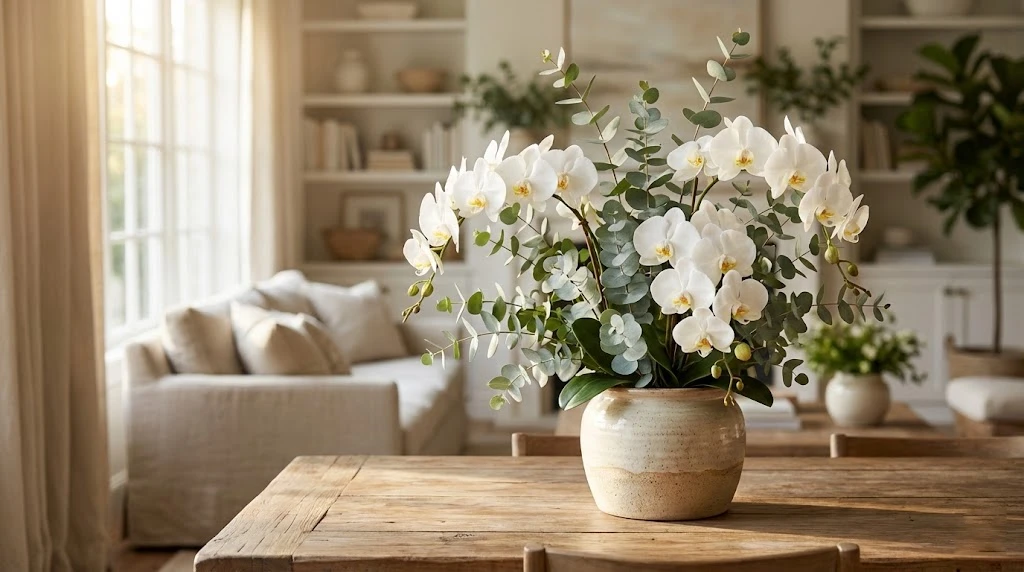
- Mixing Real & Fake: Can you mix real and artificial flowers? Absolutely. Use artificial flowers for expensive focal blooms, such as Peonies or Orchids. Then, add affordable fresh greenery and real water to the vase.
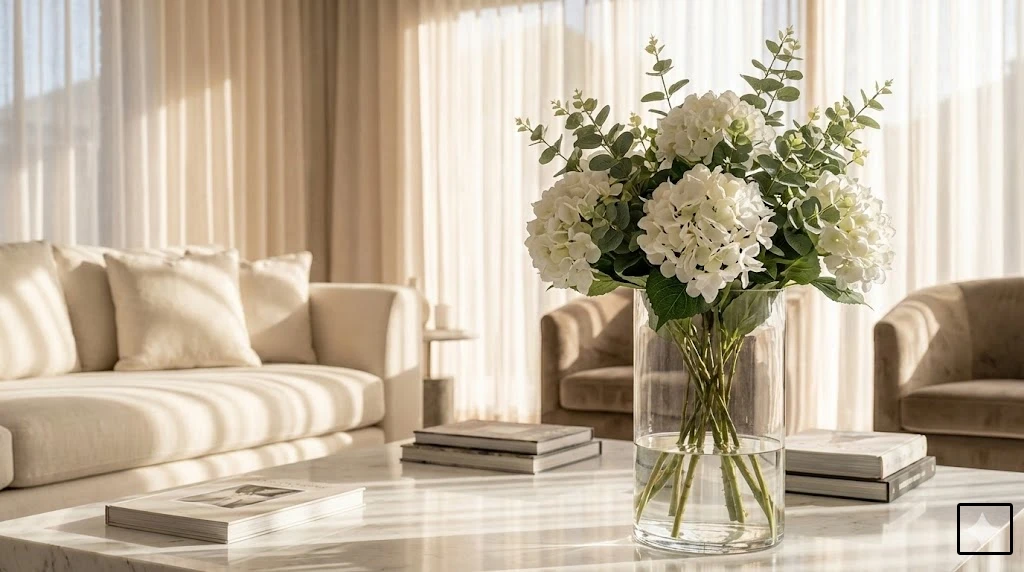
- Vase Styling: If you use a clear glass vase, visible dry stems immediately reveal the flower is artificial. You should add fresh water and cover the bottom with pebbles to hide the stems. This simple trick creates a realistic look that fools the eye.
Why Choose Faux Flowers?
In arid regions like the Middle East or Las Vegas, scorching heat and water scarcity make maintaining fresh flowers nearly impossible. High-quality artificial flowers provide the perfect solution—requiring zero maintenance while appearing virtually indistinguishable from fresh blooms.
- No Seasonal or Environmental Limits: Artificial flowers use polymer materials like PE or polyester fibers, allowing them to be used in environments ranging from -20°C to 60°C without becoming brittle or deformed. UV-resistant artificial flowers can be used outdoors for 3-5 years without fading. Our artificial flowers are mixed with HALS during injection molding and have passed the ASTM G154 test.
- Extremely Low Maintenance Costs: Fresh flowers have a lifespan of only 5-7 days, which means you need to purchase, transport, and arrange flowers at least 50 times a year. This creates huge labor costs. In contrast, artificial flowers do not require pruning or maintenance; they only need a simple wipe with a damp cloth every quarter and can be used for over 3 years.
- Consistent Visual Stability: Fresh flowers can suddenly wither due to temperature changes or lack of water, whereas artificial flowers will not wither or deform. A metal wire armature (usually iron or steel wire) is embedded inside the artificial flower stems to ensure they do not lose their shape.

2026 Artificial Flower Trends
1. Giant Hydrangeas
These are the top choice for commercial spaces because they are massive. You only need 3-5 stems to fill a large vase. They offer the best “volume for money” and instantly create a luxury look.
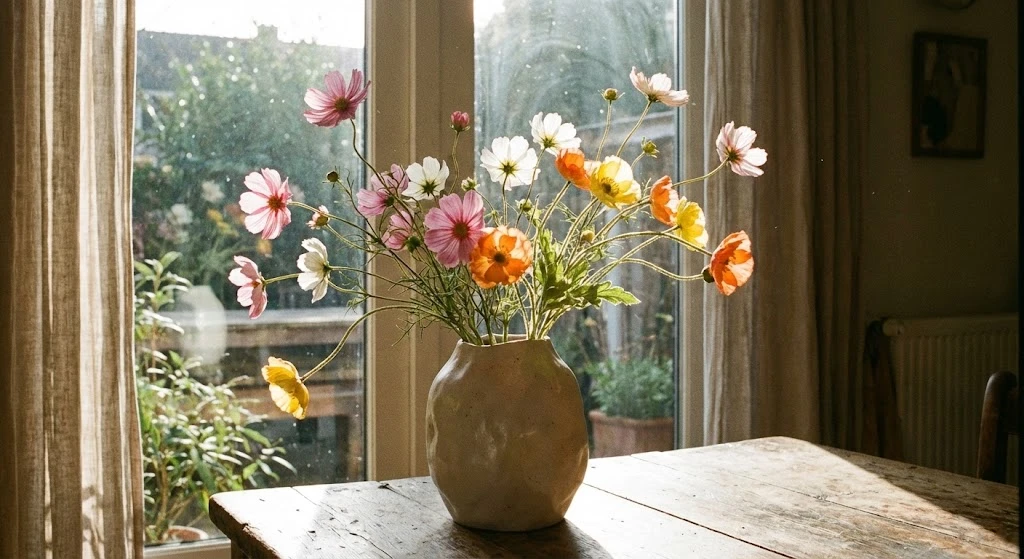
2. Wild Cosmos & Poppies
The “wildflower” look is trending. Unlike stiff roses, these flowers have very thin, winding stems that shake slightly when air moves. This movement makes them look 100% natural and breaks the rigidity of traditional arrangements.
Conclusion: The Verdict
So, do fake flowers look tacky? Cheap ones do. Engineered ones don’t.
In 2026, the technology exists to create real look fake flowers that offer the beauty of nature without the maintenance, waste, or recurring cost. For business owners and designers, the key is to look past the “dollar store” stigma and invest in engineered botanical replicas.
Ready to upgrade your space? Don’t settle for retail quality. For commercial projects, sourcing wholesale artificial flowers online directly from a manufacturer allows you to specify Virgin PE, UV Resistance, and Fire Retardant properties, ensuring your investment is as safe as it is beautiful.
Explore the collection and see the difference yourself.
FAQs about Fake Flowers
1. Can fake flowers be used outdoors?
Yes, but only if labeled as “UV Resistant” or “Weatherproof.” Standard silk flowers will fade. TwinkleTrees specializes in outdoor-rated foliage that withstands rain and sun.
2. Are artificial flowers out of style?
Not at all. Modern faux flowers are crafted with such realism that they are a staple in luxury design. Top interior designers use them to add permanent greenery where real plants cannot survive.
3. Are your flowers fire-safe?
Yes. We offer a specialized line of IFR (Inherently Fire Retardant) foliage. Unlike topical sprays, our fire-retardant properties are mixed into the raw materials, ensuring compliance with commercial fire codes (NFPA 701)